When picturing a finished staircase, the balustrade is often the feature that defines its character. It influences how a home feels every day, from the first impression in the entryway to the way light moves through surrounding spaces. For properties with internal stairs in Melbourne, choosing the right balustrade involves balancing materials, profiles and detailing so the design complements the architecture, supports daily use and meets essential safety requirements. Dixon Stairs explains how to weigh aesthetics, functionality, compliance and budget to achieve a balustrade that feels intentional rather than added as an afterthought.
This article examines the strengths of materials such as timber, glass, metal and mixed systems, along with how each affects maintenance, privacy and durability. It also outlines the key design considerations, common mistakes to avoid and practical guidance for selecting a balustrade that performs well over time and adds lasting value.
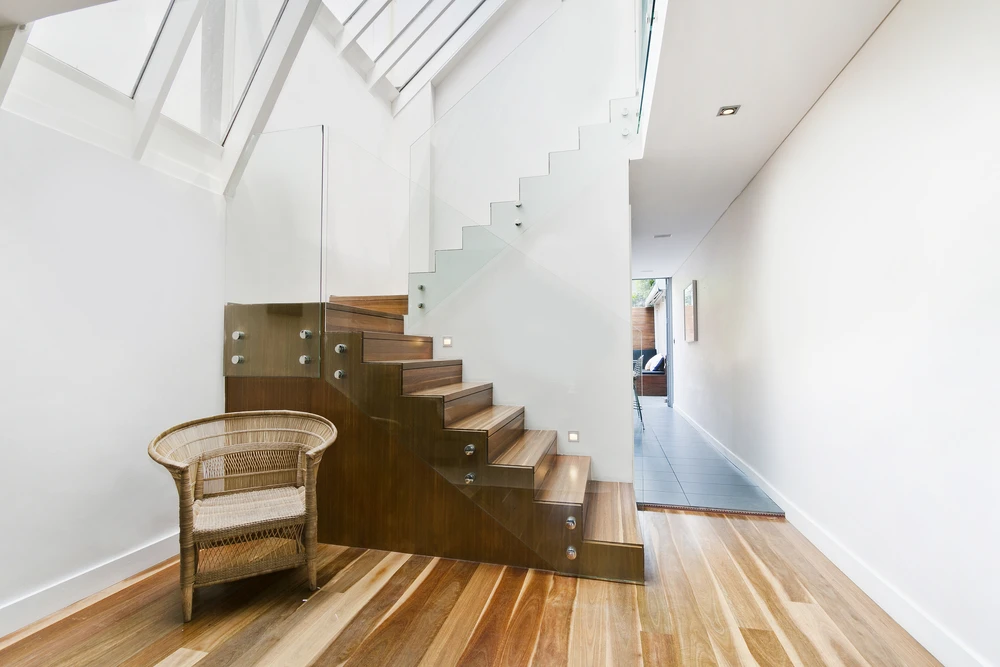
Balustrade style is not just a decorative choice. It plays a direct role in how a staircase looks, feels and functions within a home. The right style can make a space feel brighter, more open or more grounded, while also supporting the overall interior theme and improving how comfortable the stairs are to use each day.
Treating the balustrade as a considered design element rather than an afterthought helps create a staircase that feels cohesive with the rest of the home. It influences first impressions, affects how light moves through the space and can also shape long-term maintenance requirements and compliance outcomes.
Slim metal spindles create a light, contemporary look that suits modern extensions and open-plan layouts. Chunky turned timber balusters introduce a more traditional character that often suits period homes and classic interiors. Glass panels help keep sightlines open so natural light can move more freely between floors, which is especially beneficial in narrower hallways or darker stairwells.
Balustrade detailing can also help connect different areas of the home. Repeating finishes or profiles across the stair balustrade, landing and nearby joinery can create a stronger sense of visual flow. By contrast, a style that clashes with doors, flooring or window frames can make the staircase feel disconnected from the rest of the interior.
The spacing of balusters, the height and shape of the handrail and the overall solidity of the balustrade all influence how safe and comfortable the staircase feels in everyday use. Decorative or irregular designs may create awkward gaps, while very minimal systems with thin elements or horizontal lines need to be carefully specified to remain compliant and practical.
A heavier, more solid balustrade can feel reassuring on steeper stair flights, particularly in family homes. Lighter-looking designs may suit the visual style of a space, but they still need to feel stable and secure in use. Surface finish also matters. Finely sanded timber and powder-coated metal generally provide a better grip than high-gloss finishes, which can feel slicker in the hand.
Balustrade style affects how well a staircase ages both visually and practically. Some finishes are better at disguising everyday wear, while others need more regular upkeep to stay looking their best. Dark-stained timber can help hide minor scuffs and knocks, while painted balustrades and clear glass tend to show dust, chips and fingerprints more easily.
Style also influences how well the staircase adapts over time. A highly trend-driven design may begin to feel dated sooner, while a simple and well-proportioned balustrade often remains easier to live with across changing interior styles. Choosing a more timeless design can help preserve the visual appeal of the staircase and support the overall value of the home.
Balustrades do far more than close off the side of a staircase. They influence safety, shape how the space feels and contribute strongly to the character of the home. Before settling on a style, it is worth considering not only how the balustrade looks, but also how it will perform in everyday use and how well it will suit the property over time.
Safety should always come first. Balustrades need to meet current building requirements for height, spacing and structural performance. This generally means minimum heights on stairs and landings, along with gaps small enough to prevent a child from slipping through. Handrails should also be comfortable to grip and, where possible, run continuously to improve stability and reduce fall risk.
It is also important to think about who will be using the stairs. Homes with young children may benefit from closer baluster spacing and fewer horizontal elements that can encourage climbing. For older occupants or anyone with mobility concerns, a solid handrail, clear visibility and a stable feel under hand are especially important. In busy households, durability also matters, as some materials are better at handling knocks, leaning and daily wear than others.
A balustrade should feel as though it belongs to the home. Traditional interiors often suit timber or decorative metalwork that reflects existing skirting boards, architraves or doors. Contemporary homes usually work better with cleaner lines, such as slim metal balusters or glass panels that keep the stair area feeling open.
It is also worth considering how much visual weight the balustrade should carry. Chunky timber posts can create a strong architectural feature and anchor the staircase in a larger open-plan room. Glass or slender metal profiles can help smaller spaces feel lighter and less crowded. Finish plays a role too. Dark colours tend to frame the staircase and make it more prominent, while lighter finishes can help it blend into the background.
Each balustrade material comes with different strengths, upkeep requirements and costs. Timber adds warmth and can be sanded, stained or repainted in the future, although it may require more regular refinishing in high-traffic areas. Metal is durable and generally low maintenance, often needing little more than occasional cleaning and inspection. Glass creates a clean and modern appearance, but it shows fingerprints and dust more readily than most other materials.
Budget should be considered beyond the initial installation cost. Bespoke metalwork, curved glass and highly customised details can increase the upfront price significantly. However, a durable low-maintenance system may prove better value over time than a cheaper option that requires frequent repair, repainting or replacement. A successful choice usually comes from balancing appearance with realistic expectations around maintenance and long-term cost.
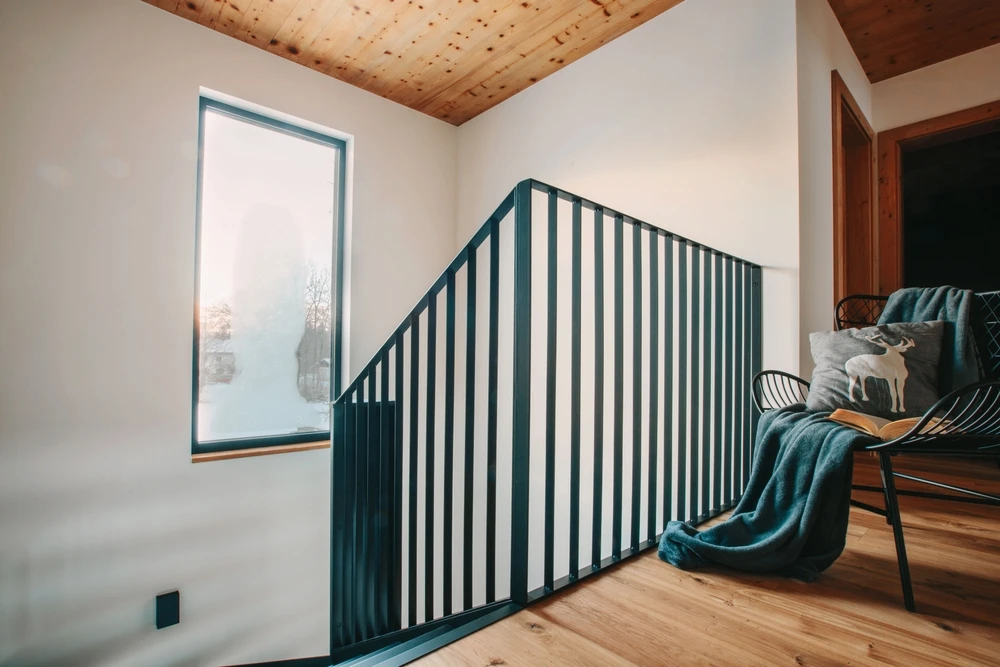
Choosing a balustrade often comes down to balancing appearance, safety, maintenance demands and budget. The most common options each create a different visual effect and suit different homes, from busy family staircases to more formal entry spaces. Understanding how each material performs in daily use makes it easier to choose a style that will continue to look good and function well.
Timber remains a classic choice that suits both traditional and transitional interiors. Turned or square timber balusters paired with a solid handrail create a strong visual presence and a warm, comfortable feel in the hand. Painted finishes can work well in more modern homes, while stained or clear finishes bring out the natural grain and add more character.
Timber is also relatively forgiving in day-to-day use. Small chips or scratches can often be sanded and refinished on site without replacing major sections. In return, it usually requires periodic repainting or resealing to maintain its appearance. Timber balustrades with closely spaced vertical balusters can also work well in homes with children, as they provide a strong physical barrier and reduce climbable gaps.
Glass balustrades are often selected when openness and light are the priority. Clear toughened or laminated glass panels allow uninterrupted sightlines through the staircase, which can make a smaller hallway feel larger and help natural light travel more easily between levels. Framed systems include visible rails or supports, while frameless designs use discreet channels or fixings for a cleaner appearance.
When specified correctly and installed to current standards, glass is a strong and safe option for stairs and landings. The main trade-off is maintenance, as fingerprints, dust and smudges are usually more visible than they are on timber or metal. In family homes, laminated glass is often preferred because it remains held together if broken, offering an added level of safety compared with glass that shatters into separate pieces.
Metal balustrades range from simple powder-coated steel uprights to more decorative wrought designs. Slim metal balusters can deliver a clean, modern look and pair especially well with timber treads or handrails. Metal is highly durable and resistant to everyday wear, making it a practical option for high-use staircases and investment properties. Powder-coated finishes are available in a wide range of colours and generally require only minimal upkeep.
Mixed-material systems are also increasingly popular. Combining a timber handrail with glass or metal infills can help tie the staircase into existing timber features while still giving the overall design a more contemporary edge. Cable or rod balustrades create a particularly light profile, although they must be designed carefully to comply with spacing and safety requirements and to reduce climbability.
Choosing a balustrade is not just a design decision. It is also a matter of safety, compliance and long-term usability. Certain mistakes can leave a staircase looking out of proportion, feeling impractical or failing to meet required standards. Avoiding them early helps prevent expensive changes later.
Many poor outcomes happen when one factor, such as style or price, is prioritised above everything else. A better result comes from considering how the balustrade fits into the wider home, how it will perform in everyday life and whether it meets current requirements from the outset.
One of the most serious mistakes is choosing a design that does not meet required height, spacing or structural standards. Balustrade height, gap size and load resistance are all regulated for good reason. A design may look appealing on paper, but if it creates unsafe openings or climbable elements, it may not be suitable for residential use.
Relying on guesswork or copying a design without checking whether it complies can lead to problems during installation or inspection. Handrails may end up too low, balusters too far apart or the overall system not strong enough for the intended application. Confirming compliance before fabrication or ordering is one of the most important steps in the entire process.
A balustrade that looks striking in a showroom or online can feel completely different once installed in a real home. Oversized newel posts on a narrow staircase or heavy decorative detailing in a minimalist interior can make the area feel cramped or visually cluttered. Likewise, very dark finishes can make already dim stairwells feel even heavier.
Other common style mistakes include using too many finishes in one staircase or choosing a design that competes with existing architectural features rather than complementing them. A more successful approach is to consider proportion, sightlines and surrounding materials. Slimmer profiles usually work better in tighter spaces, while heavier details are often better suited to larger stairwells where they can be appreciated properly.
It is easy to focus on how a balustrade will look on day one without thinking enough about what it will be like to maintain. Clear glass may look elegant, but it will usually need regular cleaning to keep smudges and dust under control. Painted timber can mark over time, while intricate metal detailing may be more time-consuming to clean than simpler profiles.
The best choice is often the one that suits not just the home, but also the household’s maintenance habits. A low-maintenance finish that still fits the style of the space can be a more satisfying long-term option than a higher-maintenance feature that quickly becomes frustrating to care for.
Choosing the right balustrade style comes down to balancing safety, function and appearance in a way that suits the home and the people using it. Materials such as timber, glass and metal each offer different strengths, and the best option depends on the space, the level of upkeep expected and the overall character of the interior.
Because the staircase is such a visible part of the home, the balustrade plays a major role in shaping how the space looks and feels. When the design is carefully considered from both a practical and visual perspective, the result is a staircase that not only works well now but continues to add value and remain relevant over time.

