Stair and balustrade design sits at the heart of a safe, functional home or commercial space, yet it is also where some of the most common and costly compliance mistakes occur. Our team at Dixon Stairs in Melbourne regularly sees issues such as incorrect riser and going proportions, inconsistent or non-compliant handrail heights, inadequate balustrade strength and poorly considered spacing between balusters. Seemingly small errors in measurement, detailing or material choice can quickly turn into trip hazards, fall risks or serious breaches of building codes that expose owners and builders to rectification costs, delays and potential liability.
In this article, Dixon Stairs explores the typical stair and balustrade mistakes that compromise both safety and compliance, then explains how these problems can be avoided through correct design, careful detailing and quality installation. Readers will learn which dimensions matter most, how regulations apply to different stair types, what often goes wrong at the planning and construction stages and what to look for in a compliant balustrade system. By understanding these issues, homeowners, designers and builders can make informed decisions that protect occupants, reduce the risk of accidents and ensure each staircase not only looks good but also performs safely for many years.
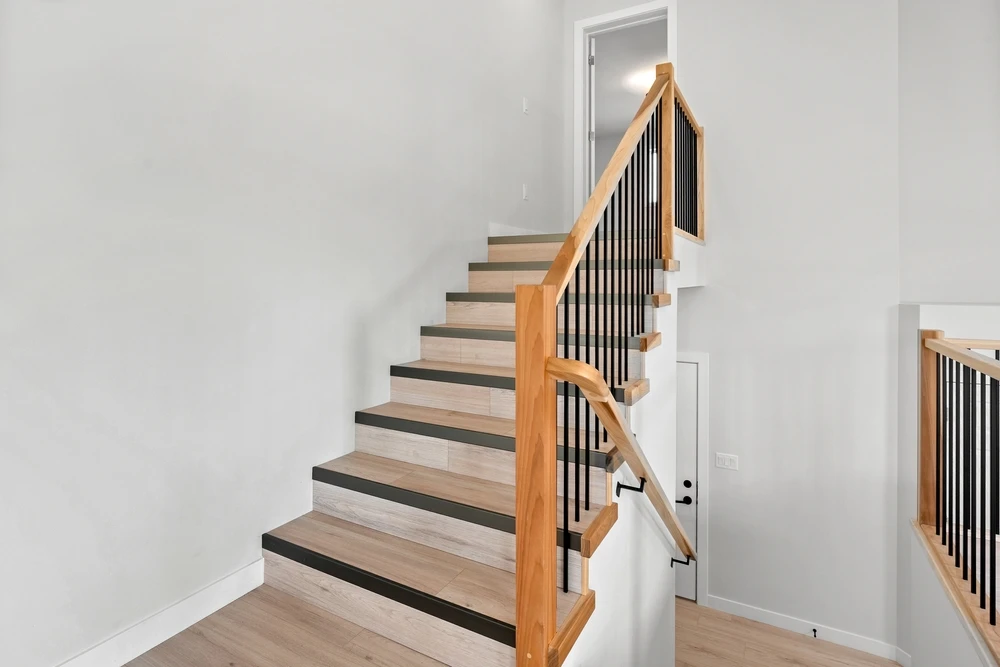
Most stair and balustrade problems come from small details that are easy to miss during design or installation. These details have a big impact on whether a staircase is safe to use and compliant with building codes. Homeowners often assume a stair that looks solid and attractive must be compliant, but issues with dimensions, fixing methods and materials are often hidden until something goes wrong or a building inspection fails.
Professional stair builders regularly see the same patterns of mistakes on new builds and renovations. Understanding where things commonly go wrong helps clients ask the right questions and helps builders avoid costly rework. The main trouble spots are in the dimensions of the stair, the design and fixing of the balustrade and the way different materials are combined.
One of the most common failures is inconsistent or non-compliant rising and going. If individual risers vary too much, people trip because their stride is interrupted. If the going is too short, the stair feels steep and unsafe, especially for children and older users. Even a few millimetres out across the flight can be enough for an inspector to require correction.
Problems also occur when there is not enough head height above the treads. The stair might fit the space on paper, but users are forced to duck under beams or ceilings in reality. These clashes often arise when the stair design is finalised before structural changes are locked in or when site measurements are not updated after framing changes.
Landings are another weak point. Landings that are too small at the top or bottom of a flight make it hard to open doors safely and increase the chance of a misstep. In some projects landings are removed or reduced during construction to gain space, which then pushes the stair outside compliant limits.
Balustrades in Melbourne frequently fail on basic safety dimensions. If the overall height is too low, it is easier for someone to topple over the edge, particularly on upper floors or around voids. Similarly, if gaps between balusters or glass panels are too large, children can slip through or get stuck, which is a common reason for failed inspections.
Structural fixing is just as important as layout. Balustrade posts that are only screwed into thin flooring or plaster instead of solid framing will loosen over time. Glass clamps that are under‑specified for the weight of the panels can slip, leading to dangerous movement. Licensed stair builders often see handrails fixed with insufficient brackets or into weak substrates which flex or detach under load.
Even when the dimensions are compliant, real‑world use can expose poor choices. External stairs sometimes use fixings that are not corrosion resistant, which leads to rusted connections and loose components. Timber stairs installed without proper sealing at cut edges can absorb moisture and swell or crack, which affects tread size and balustrade fixings.
Smooth or highly polished treads used without suitable anti‑slip detailing cause slips, particularly on entry stairs in Melbourne or near wet areas. At the same time, decorative designs that rely on complex connections or hidden fixings can be hard to maintain. When these details are not considered during design, the stair may pass initial inspection but quickly become unsafe in normal daily use.
When stairs or balustrades are installed with even small errors, the result is often a serious safety risk and a non-compliant staircase that can fail inspection. Problems such as incorrect riser heights, loose handrails or gaps in balustrades do not just look unprofessional. They increase the likelihood of trips, falls and injuries and leave the owner exposed to legal liability and costly rectification work.
Stair builders see the same types of compliance failures repeat across homes and commercial buildings. Understanding the consequences helps owners, designers and builders treat stair and balustrade details as critical safety elements, not decorative extras.
The most immediate problem is a higher chance of people losing balance or falling. Inconsistent riser heights or tread depths interrupt a person’s natural walking rhythm, so the foot does not land where expected. That single misstep is enough to cause a fall, particularly for children, older people or anyone carrying items.
Insufficient tread width or overly steep stairs reduce usable footing space and force people to descend faster than feels safe. Poor lighting on stairways or glossy nosings that cause glare make it difficult to judge step edges. Missing or hard-to-grip handrails remove the main way people recover from a slip, so what might have been a stumble becomes a full fall to the floor below.
On landings and balconies weak or low balustrades increase the severity of any fall. If a person leans or stumbles into the barrier and it deflects too far or fails entirely, the consequences can be catastrophic.
Stair and balustrade mistakes commonly breach building code requirements for:
When a staircase does not comply, it may fail council or private certifier inspections. That can delay occupancy certificates, hold up project timelines and trigger expensive rework, such as removing and rebuilding sections of the stair or replacing an entire balustrade system.
For existing buildings, non-compliant stairs identified during pre-purchase reports, insurance assessments or renovation approvals can lead to mandatory upgrades. Rectification is almost always more costly than getting the design and installation right the first time.
Safety and compliance problems also create financial and legal exposure. If someone is injured on non-compliant stairs, the owner or body corporate may face claims for negligence. Insurers may investigate whether the stairway met code at the time of construction and in some cases may reduce or deny cover if clear breaches are found.
Poorly detailed or incorrectly fixed balustrades can also have a shorter service life. Movement in fixing water ingress through poorly sealed connections and corrosion of unsuitable metals results in ongoing maintenance and early replacement costs. What initially seemed like a small saving in design or construction can become a long-term financial burden.
By addressing these common mistakes at the design and build stage, professional stair builders help clients avoid safety incidents, compliance headaches and unnecessary future expenses.
Thoughtful design and early planning are the most effective ways to avoid stair and balustrade problems that only show up after installation or during inspection. By resolving safety and compliance issues on paper first, a team of trusted stair builders helps clients avoid costly rework, stop work notices and long-term hazards for users.
Proper design is about more than making the drawings look right. It means matching the stair layout to the building’s use, following the relevant Australian Standards, selecting the right materials for the environment and planning how each component will be fixed and supported. When these decisions are made carefully at the start, the finished stair feels safe and comfortable to use and passes sign-off without surprises.
Every compliant stair starts with the code. During design, professional stair contractors check all critical dimensions, such as riser height, going depth, pitch line, headroom and landing lengths, against the National Construction Code and the relevant Australian Standards for the building class.
This prevents common failures like risers that vary in height from one step to the next or treads that are too shallow. Both can cause trips and are frequent reasons for failed inspections. Careful layout in the drawings also ensures there is enough space for required landings at changes in direction and at doorways so users do not step straight onto a stair from a door swing.
For balustrades, the design phase is where your professional stair builders confirm minimum heights for stairs and landings, maximum gap sizes to prevent climbing or entrapment and the locations where a balustrade is legally required. Structural loads on handrails and balustrade panels are also checked at this stage to ensure posts, fixings and substrates are strong enough before anything is fabricated.
Good planning looks beyond the stair itself to how it connects to the building. Professional stair experts coordinate with the builder or architect so there are solid fixing points where posts and stringers will be anchored. This avoids last-minute compromises such as fixing into weak edges or relying on inadequate wall plugs that can loosen over time.
Material selection is also made during design with the environment in mind. For example:
By resolving these questions up front, your professional stair builders reduce the risk of corrosion, decay or glass failure that can appear years after installation but originate in poor design choices.
A well-designed stair considers how people will use it every day. During planning, professional stair builders check that handrails are continuous where required, easy to grip and return safely to walls or posts so clothing cannot snag. Lighting positions and floor finishes at the top and bottom of the stairs are reviewed to minimise glare and slipping.
Maintenance access is also factored in. Fixings are detailed so that glass panels or timber elements can be removed for cleaning or replacement without weakening the structure. Where clients may alter spaces later, your licensed balustrade designers can design layouts and connections that allow for future extensions while still meeting the current code.
In the end, every mistake we see with stairs and balustrades, from misjudged riser heights and non-compliant handrail dimensions, to inadequate fixing details, incorrect baluster spacing, poor material choices and neglected maintenance comes back to the same root issue: treating stairs as an afterthought instead of a critical safety system.
As a business, we have learnt that the only sustainable approach is to treat compliance as the baseline, not the aspiration: designing from the standards up, checking every detail on paper before anything is built, controlling workmanship on site and leaving a clear audit trail for certifiers and owners. When we insist on getting the fundamentals right; proportion, structure, fixings, clearances, finishes and ongoing inspection, we protect the people who use our stairs, safeguard our clients’ investments and preserve our own reputation. That is ultimately why we focus so heavily on preventing these common stair and balustrade mistakes: because the safest project, for everyone involved, is the one that never has a problem in the first place.

