Timber staircases remain one of the most striking architectural features in modern Melbourne homes. Beyond functionality, they reduce visual heaviness and keep the staircase from blocking sightlines and the overall design tone of your interior. Many homeowners find themselves choosing between two popular styles: open-riser and closed-riser timber stairs in Melbourne. At Dixon Stairs, we’ve built staircases across contemporary, heritage and architect-designed homes, giving us firsthand insight into how each style complements different layouts and lifestyles. Choosing between the two can shape your home’s atmosphere and sense of openness, so it’s important to understand the difference before making a decision.
Below, we break down how each staircase type works, how they differ in performance and visual impact and how to select the right one for your home’s layout and aesthetic goals.
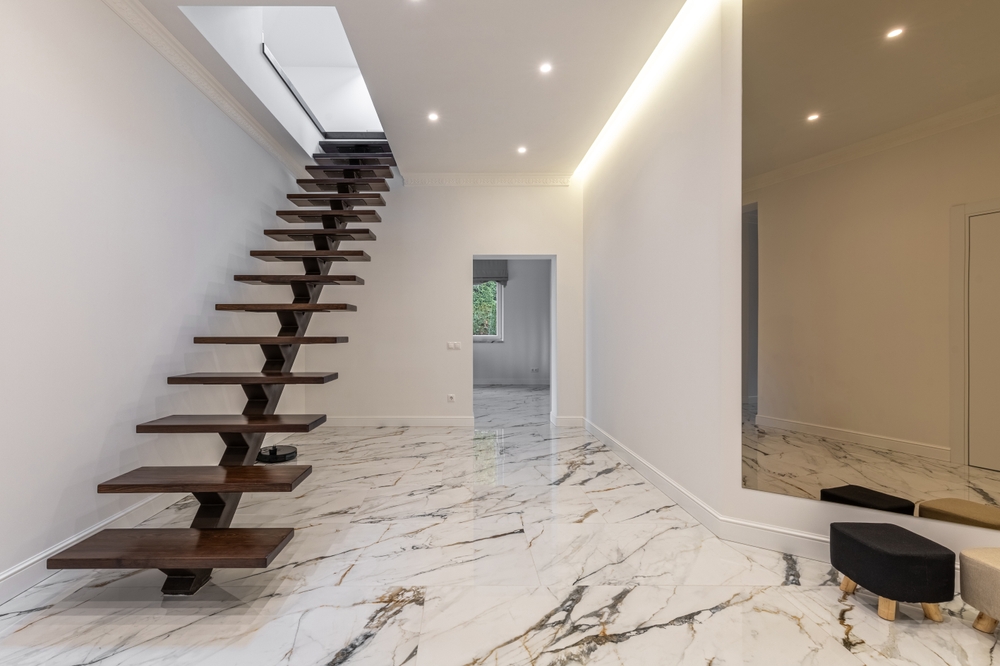
Before comparing the aesthetics, safety features and practical benefits of each staircase style, it’s important to take a deeper look at how open-riser and closed-riser stairs are constructed and why those structural differences matter. The design of your staircase does far more than simply connect two floors. In many homes, the choice between open and closed risers can influence your daily comfort, visual style and long-term functionality. Understanding these distinctions helps you select a design that suits your lifestyle and complements the architectural character of your space.
Open-riser stairs are defined by the intentional gap between each tread. This design has become increasingly popular in modern properties, especially in those with open-plan living, high ceilings or compact layouts where every bit of visual space matters. The open risers create a sense of weightlessness that can turn a staircase into an architectural focal point without overwhelming the area. Why you will love open-riser stairs:
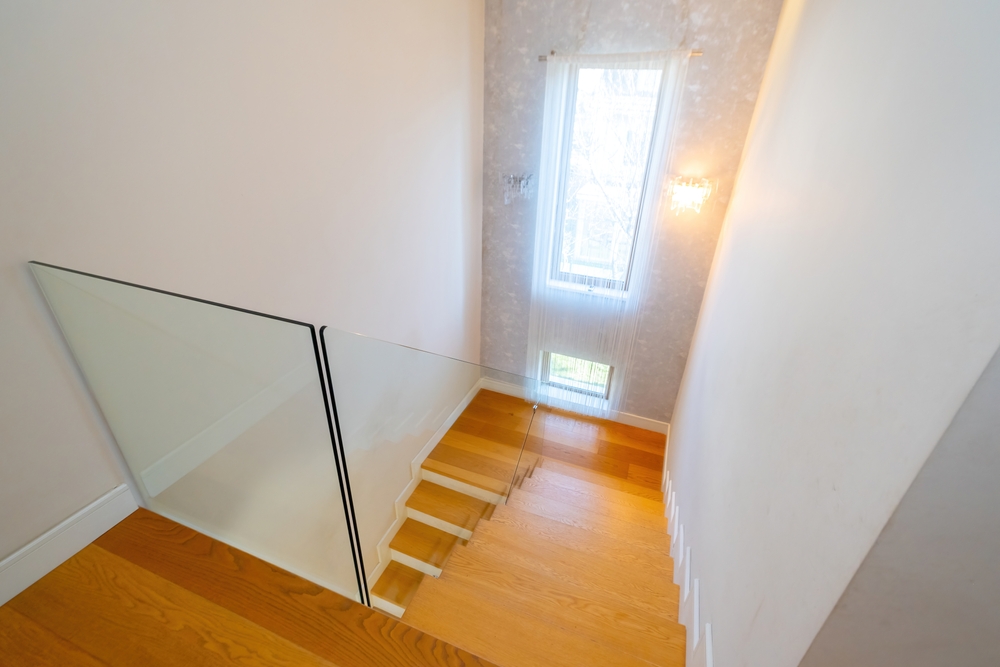
In contrast, closed-riser staircases include solid vertical boards between each tread, creating a fully enclosed step. This traditional style has been used for centuries and remains a favourite among homeowners who prioritise safety, privacy and a sense of solidity. In heritage and period-style homes, such as Victorian, Edwardian or Federation designs, closed-riser stairs blend seamlessly with architectural character while delivering a more grounded, classic appearance. Why you should choose closed-riser stairs:
Light, openness and acoustics are often the deciding factors for families choosing between these two staircase styles. An open riser design transforms even small hallways into visually expanded spaces, while closed-riser options offer comfort, quietness and a sense of inclosure. Understanding how each performs in your home’s natural lighting and interior layout is crucial before committing to a style.
Light Flow
Space Perception
Noise Control
Your balustrade plays a major role in how both open- and closed-riser stairs look and behave. Glass balustrades enhance openness, while timber or steel balustrades can reinforce traditional or industrial aesthetics. The type of balustrade can even subtly shift whether your staircase feels light, secure or visually dominant. Balustrade options that influence stair style:
Whether open or closed riser, safety upgrades can enhance the staircase’s usability without compromising its aesthetics. Melbourne families with children or elderly members often request tailored safety inclusions. Potential safety adjustments include the following:
Selecting between open-riser and closed-riser timber stairs goes far beyond looks; it requires weighing safety, maintenance, longevity and compliance with Australian building standards. In Melbourne, where architectural styles vary between suburbs, the right choice often depends on how your staircase contributes to everyday comfort and long-term practicality.
When choosing a staircase type, safety and compliance naturally come first. Families with small children or pets may find closed-riser stairs more practical, while open-risers appeal to those prioritising openness and aesthetics. Here are some considerations you need to think of:
Timber choice can influence durability, maintenance and the warmth of your staircase design. Homeowners often gravitate towards species that suit both the home’s style and long-term wear. Each timber option can be enhanced with matte, satin or gloss finishes depending on the staircase style and desired visual impact. Suitable options are:
Your floor plan, natural light and renovation budget will influence your staircase choice. Open-riser stairs generally require additional engineering or structural steel support and may cost more due to their detailed fabrication. Closed-riser stairs can be more straightforward to build and offer budget-friendly versatility. Decision-making factors:
The space beneath your staircase is one of the most versatile areas in your home, and the type of staircase you choose plays a big role in how you can use it. Understanding how each staircase style impacts your ability to make practical use of this often-overlooked space can help you plan a home that not only looks beautiful but works smarter too. Here are some under-stair ideas:
Your staircase will be used multiple times a day by people with different needs, levels of mobility and comfort preferences. Factors such as ease of movement can vary between open- and closed-riser designs. The layout and feel of the stairs can affect everything from how secure users feel to how easily the stairs can be cleaned and maintained. Considering these real-world, day-to-day practicalities ensures your final choice aligns not just with your desired look but with the routines and rhythms of your household. Lifestyle-centred considerations:
Choosing timber stairs ultimately comes down to understanding your home’s lighting, layout and how your family uses the space. Both styles offer unique benefits: open risers deliver modern architectural lightness, while closed risers offer practicality, privacy and timeless appeal. With expert guidance from us here at Dixon Stairs, you can select a staircase style that elevates design and perfectly complements their lifestyle.

