Melbourne’s climate is famously unpredictable, with cool winters, warm summers and frequent shifts between dry and humid conditions, sometimes all in the same week. For homeowners planning or upgrading timber stairs in Melbourne, these environmental factors play a far bigger role than many people expect. At Dixon Stairs, we regularly help homeowners navigate how local climate conditions influence timber choice, construction methods and long-term stair performance. Understanding how climate interacts with timber allows you to make informed decisions that protect both the appearance and structural integrity of your staircase over time.
When climate considerations are overlooked, stairs can develop issues such as movement, noise, visible gaps or surface distortion. When climate is factored in properly, timber staircases remain stable, comfortable underfoot and visually striking for decades.
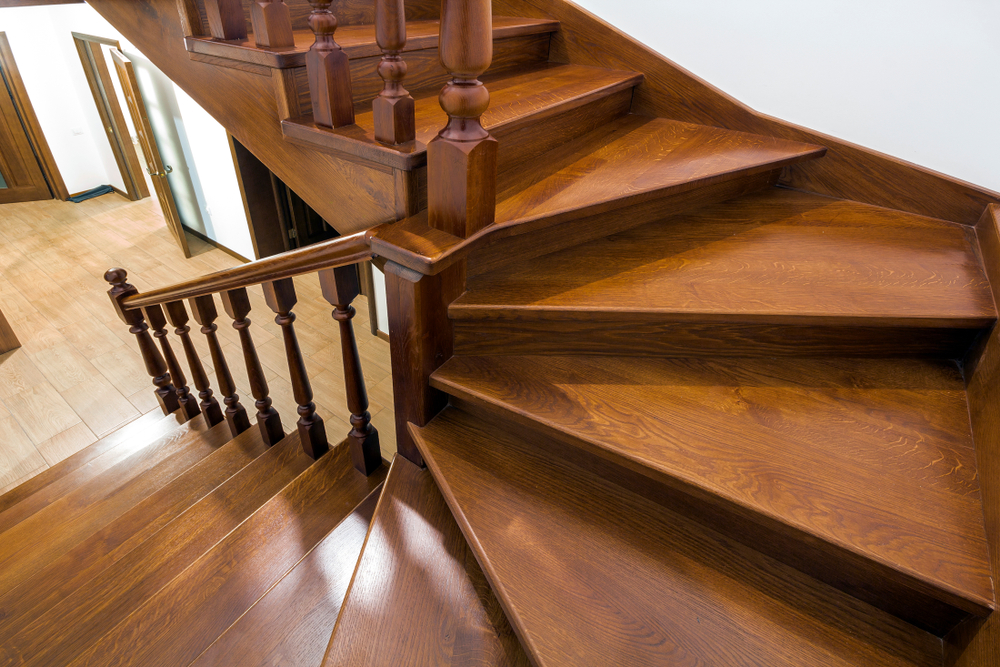
Unlike furniture or decorative joinery, stairs must perform structurally every day while adapting to ongoing environmental changes. Understanding how climate directly affects timber stair performance is the foundation of selecting the right materials and construction approach.
Timber naturally expands and contracts in response to changes in humidity and temperature levels. Melbourne’s seasonal shifts, cool, damp winters followed by warmer, drier summers, can cause repeated cycles of timber movement if not properly managed. Stair treads, risers and stringers are particularly sensitive because they are fixed components with limited room to move. Eventually, unmanaged movement can lead to:
Modern homes often rely heavily on heating in winter and air conditioning in summer. Prolonged heating can dry out timber, while evaporative cooling or poorly ventilated spaces can increase moisture content. Well-designed staircases account for these artificial climate conditions, not just outdoor weather patterns. Key influences include:
Warping and cupping are common when timber is exposed to uneven moisture levels, particularly in stair treads. When prevention is built into the design stage, visible defects are far less likely to develop. Here are some preventative measures anyone needs to remember:
The way a stairwell is designed can either reduce or amplify climate-related timber issues. Poor ventilation traps moisture, while overly dry environments increase shrinkage risk. Staircases located near bathrooms, laundries or entryways are particularly exposed to moisture fluctuations. Thoughtful design works hand-in-hand with material selection to stabilise timber performance. Good stairwell design may involve:
The timing of stair installation can influence long-term results. Installing timber stairs before a home is fully sealed, climate-controlled or dried out can expose timber to extreme moisture variations early on. The following are best practices you need to consider:
In Melbourne’s variable climate, durability is just as important as appearance. Selecting timber for stairs involves far more than choosing a colour or grain that suits your interior style. Staircases are permanent structural elements that must withstand daily foot traffic, load-bearing stress and ongoing environmental changes. Different timber species react differently to these conditions, so informed selection guarantees your staircase remains stable, safe and visually appealing over the long term.
Not all timber species perform equally when exposed to seasonal fluctuations. Some timbers naturally resist movement, while others are more prone to expansion, contraction or surface distortion if conditions change. Choosing species with proven performance in similar climates reduces the risk of future issues such as warping, gaps or excessive creaking. Hardwoods commonly used in Australian homes are often preferred because of their density, strength and predictable behaviour when properly prepared. Commonly suitable options are:
The origin of timber can have a direct impact on how well it performs in homes. Locally sourced timbers have typically grown in environmental conditions closer to those found in Victoria, meaning they are often better adapted to local temperature ranges and humidity levels. Imported timbers can still be excellent choices, but they require careful consideration, particularly around moisture content, acclimatisation and finishing methods. Consider these:
While timber selection is critical, finishes and treatments play an equally important role in how stairs perform once installed. Finishes act as a protective barrier that slows moisture exchange between the timber and the surrounding air. Try these effective treatments:
Durability is influenced not just by the timber itself but by how the staircase is designed and constructed. Structural design determines how movement is absorbed, distributed or restrained across the stair system. Poor design can concentrate stress in certain areas, increasing the risk of cracks, loosened joints or noise. Well-considered structural choices allow timber to move naturally without compromising strength or safety. Supportive design strategies include:
Even with the right timber, finish and design, timber stairs benefit from ongoing care. Climate means subtle changes are normal, and regular maintenance helps ensure these changes remain manageable. Small adjustments, inspections and refinishing work can prevent minor issues from developing into costly repairs or aesthetic problems. Ongoing care may involve:
Climate awareness is essential when selecting and designing timber staircases in homes. Making climate-aware decisions early ensures your staircase performs reliably and maintains its appearance for years to come. With experienced guidance and climate-conscious planning, timber stairs can remain a standout feature that performs beautifully in Melbourne’s ever-changing conditions. If you’re planning new stairs or replacing an existing staircase, speak with our team here at Dixon Stairs to ensure your timber stairs are built to handle different conditions while maintaining strength, comfort and visual appeal.

